1. Describe what you found
Tell the team about syringes, powders, stains or smells. You do not need to explain why they are there.
Nashville, IL · Washington County
Worried about what a few pipes and baggies might have left on the floors and furniture? Call (877) 812-4220 in Nashville. Cleanup crews remove the items and treat surfaces where residue may remain.
If anyone is in danger, call 911 first. For a suicide crisis, call or text 988.
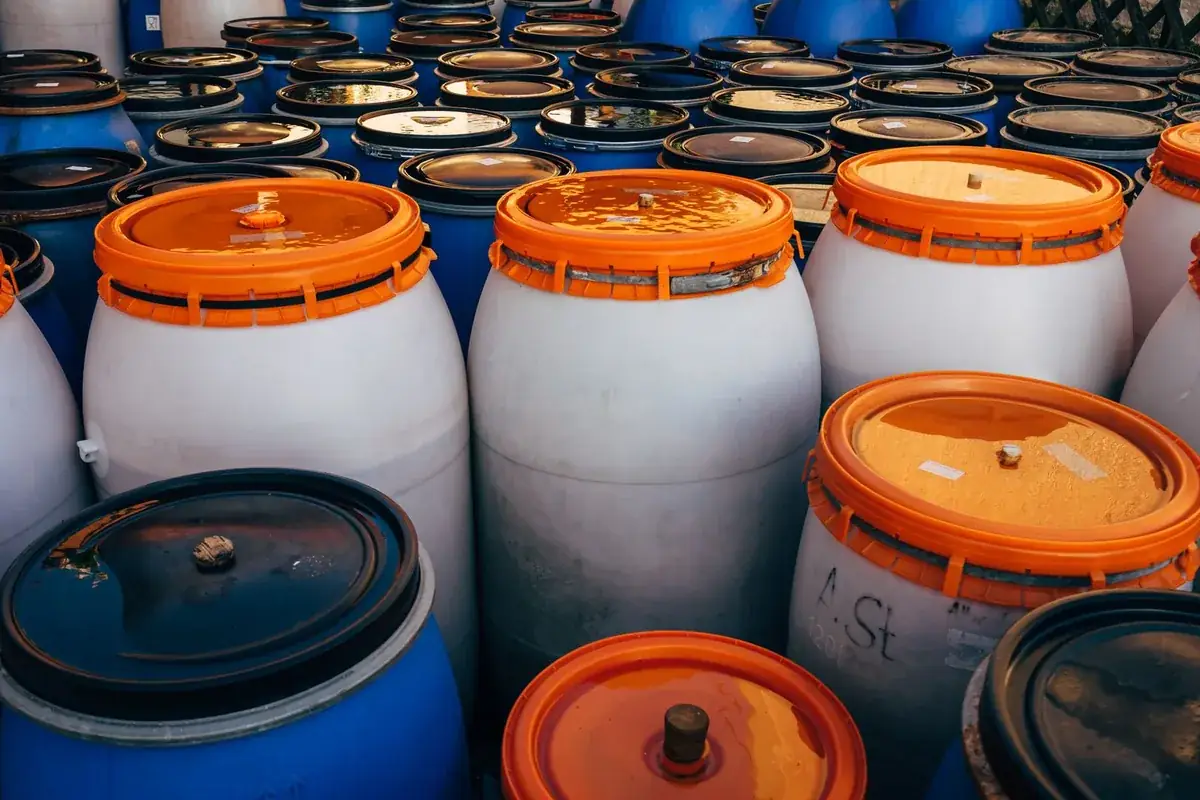
Drug paraphernalia cleanup is the safe removal of used syringes, pipes, bags, foil and other items left behind from drug use. Cleanup crews also clean and disinfect surfaces where residue may remain.
After a tenant leaves, you may find needles, residue or stained rooms in your Nashville property. Call Nashville Biohazard Cleanup Help for a team that collects sharps safely, removes soiled materials and cleans the unit, anywhere in Washington County.
A vacancy rate near 10% in Washington County means more empty houses and lots, which are common places for discarded items to be found. Tell the doctor where the exposure happened. Washington County Hospital, about 3 miles from Nashville, can evaluate people who may have been exposed.
What drug paraphernalia cleanup covers:
Tell the team about syringes, powders, stains or smells. You do not need to explain why they are there.
Needles and other sharps are lifted and sealed before anything else is moved.
Hospital-grade disinfectants go on hard surfaces. Odor treatment follows for lingering smells.
The space is checked once more, and the crew answers questions before leaving.
The cost of drug paraphernalia cleanup in Nashville, IL depends on the amount of material, how it is packed and how it is hauled.
Access and travel matter. A unit with stairs, locked areas or a long drive takes more time to serve.
| Type of job | Typical range |
|---|
These ranges come from published cost guides () and are not a quote for Nashville. Price drivers include amount of material, whether residue is present, surfaces affected, waste disposal. For a real number, call (877) 812-4220.
A careful cleanup removes the items and cleans the surfaces it covers. Testing is a separate step, and rules vary by place. Ask the team what it did and did not check, and ask the local health department what applies where you live.
No. Drug paraphernalia cleanup removes used items and cleans surfaces. A site where drugs were made is a different job with its own testing and clearance steps. If you think drugs were made in the home, say so when you call.
Vehicles can hold syringes, residue and odor in seats, carpets and vents. Ask whether the team cleans vehicles and how soft materials are treated. Crews use the same protective gear and sealed containers as in a building.
In many cases the person who calls does not need to be at the property. Ask the team how access and keys can be arranged. If you are out of town, say so when you call. Many teams can arrive in an unmarked vehicle.
Police and the city do not usually clean the space afterward. The owner or the family books the cleanup once the scene is released. A cleanup team can work after the release and explain the steps. Ask the agency when the space is cleared.
No. This page explains how drug paraphernalia cleanup works. It is not medical, legal or insurance advice. For symptoms, contact a doctor or Poison Control, and for legal questions, ask an attorney.
Ask about discreet arrival in an unmarked vehicle if privacy matters.
Call (877) 812-4220